What Homeowners Should Know Before Going Solar In Canberra
MORE THAN 20 YEARS' COMBINED EXPERIENCE
TEAM OF QUALIFIED TRADESPEOPLE
TRANSPARENT & COMPETITIVE PRICING
Thinking about solar often starts with a simple moment: you open the next power bill, do a quick mental calculation and wonder whether a rooftop system could make a real difference over the long term. It can, but the outcomes depend on planning, product choices and how the system is installed and maintained. Before signing anything, it helps to understand what actually shapes performance, costs and day-to-day reliability so you can compare solar panel installation options with confidence.
Table of Contents
- 1. Start with Your Roof, Not the Sales Pitch
- 2. Match System Size to Your Real Usage Patterns
- 3. Check Switchboard Capacity & Electrical Readiness Early
- 4. Choose Components with Long-term Support in Mind
- 5. Understand Rebates, Approvals & What Paperwork Should Exist
- 6. Installation Standards Matter, Even if You Never See Them
- 7. Plan for Maintenance, Monitoring & Common Fault Triggers
- 8. Think Ahead: Batteries, EVs & Household Electrification
- Get in Touch
1. Start with Your Roof, Not the Sales Pitch
A solar system is only as practical as the roof it sits on. Roof shape, materials, shading and available space all influence what can be installed and how it will perform over time. Even small factors, like a vent casting a shadow in the wrong spot, can change how panels need to be arranged.
Key checks to consider include:
- Shade patterns across the day, including trees & nearby structures
- Roof condition & remaining lifespan, especially if replacement might be due soon
- Space for panels & safe access for installation & later servicing
- Roof material & mounting approach, as fixings vary across roofing types
If you are also planning electrical upgrades, it can be useful to assess roof and switchboard needs as one project, rather than treating them as separate decisions.
2. Match System Size to Your Real Usage Patterns
It is tempting to think ‘bigger is always worth it’, but sizing should start with how your household uses electricity, and when. A system that is well matched to daytime use can reduce reliance on the grid more consistently than an oversized system that exports a lot of power at low feed-in rates.
A practical sizing approach usually includes:
- Reviewing bills & interval data where available to see typical daily loads
- Identifying major loads like hot water, pool equipment, EV charging & heating or cooling
- Considering future changes, such as work-from-home routines or new appliances
- Thinking about self-consumption, not only total annual output
An electrician can also discuss whether your current electrical setup suits the system size you are considering, including any limits that may apply.
3. Check Switchboard Capacity & Electrical Readiness Early
Solar is not only panels on a roof; it is an electrical generation system tied into your home’s wiring and protective devices. If your switchboard is older, crowded or uses dated components, there may be compliance or safety considerations before a solar system can be connected.
Electrical items that are commonly reviewed include:
- Main switchboard configuration, including space for new breakers & safety devices
- Earthing & bonding, as these are foundational to electrical safety
- Condition of existing cabling, particularly if upgrades or extensions have been made over time
- Surge protection options, depending on household electronics & risk tolerance
If upgrades are recommended, it is worth asking for a clear explanation of why they are being suggested and what standards apply, so you can make an informed call.
4. Choose Components with Long-term Support in Mind
Panels, inverters and monitoring platforms vary widely. Up-front price matters, but so does ongoing support, availability of parts and how warranty claims are handled. It is also important to understand that warranties can have conditions, and they may involve the product manufacturer rather than the installer.
When comparing component options, you might look at:
- Warranty terms & exclusions, including any servicing or registration steps
- Supplier & manufacturer presence, including support channels & claim process
- Monitoring features, like fault alerts & production tracking
- Inverter type & layout, depending on shade, roof faces & panel grouping
It can help to ask for model numbers in writing. That makes it easier to compare like-for-like, rather than comparing broad descriptions.
5. Understand Rebates, Approvals & What Paperwork Should Exist
Solar pricing often includes line items that relate to incentives, certificates or approvals. These can change over time, and eligibility can depend on system size, product selection and administrative steps. Instead of relying on a headline discount, ask what assumptions have been used in the quote.
Helpful things to confirm include:
- What is included in the quote, & what could be treated as a variation later
- Who handles applications & approvals, & what information you need to provide
- What compliance documents you should receive, such as certificates & test results
- How system details are recorded, including serial numbers & wiring layout
A tidy paper trail is not just ‘nice to have’. It can be relevant for future troubleshooting, warranty queries, home sales and insurance discussions.
6. Installation Standards Matter, Even if You Never See Them
Most of the work that shapes system safety and reliability is hidden: cable runs, isolators, protection devices, labeling and the way components are mounted. If shortcuts are taken, you may not notice straight away, but issues can show up later as nuisance trips, reduced output or faults that are harder to diagnose.
It is reasonable to ask about:
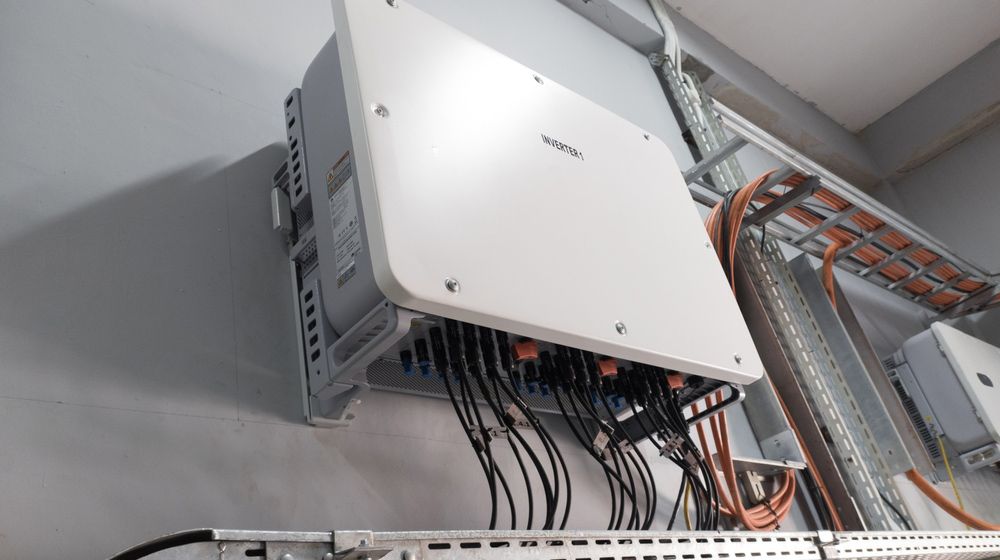
- How cable runs will be managed, including UV exposure & physical protection
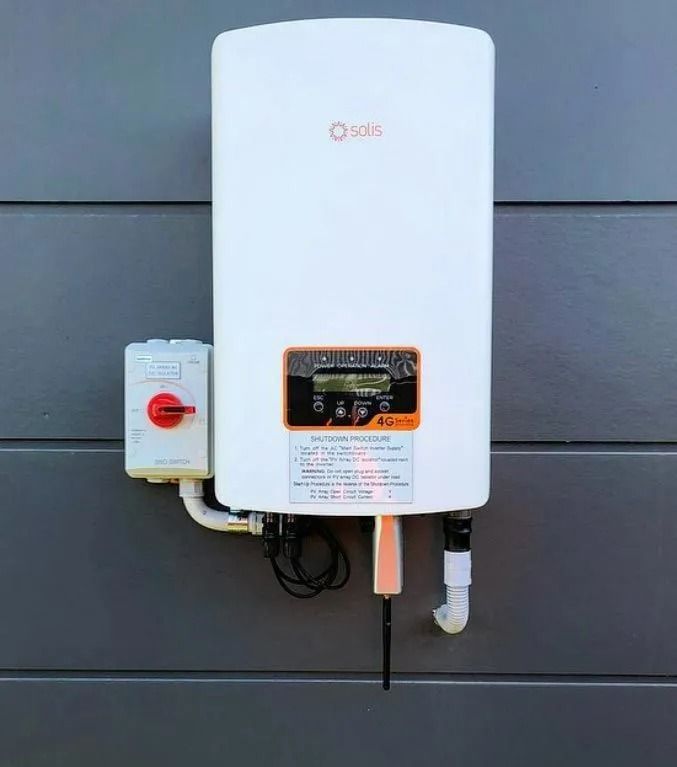
- Placement of isolators & labels, so they are accessible & correctly identified
- Testing on completion, including what is checked & what results are recorded
- Site tidiness & safe access, both during the job & once it is finished
You do not need to know every standard clause to ask sensible questions. The goal is to understand what is being done, and why it is being done that way.
7. Plan for Maintenance, Monitoring & Common Fault Triggers
Solar systems are generally low-touch, but not zero-touch. Dust, debris, shading growth and storm impacts can change output. Inverter fault codes can happen, and monitoring can help you spot issues sooner, rather than finding out months later.
A maintenance and monitoring plan might include:
- Regularly checking the monitoring app, looking for production drops or alerts
- Visual checks from the ground, after storms or high winds
- Knowing what ‘normal’ looks like, so unusual patterns stand out
- Booking electrical checks if faults repeat, rather than resetting & hoping
If you are quoted ongoing servicing, ask what is included, what is excluded and what triggers a call-out.
8. Think Ahead: Batteries, EVs & Household Electrification
Even if you are not adding a battery today, your choices now can make later upgrades simpler. Households often add EV charging, switch to electric hot water or replace gas appliances, and solar can be part of that wider shift. Planning does not mean overspending; it means leaving sensible options open.
Forward-looking considerations include:
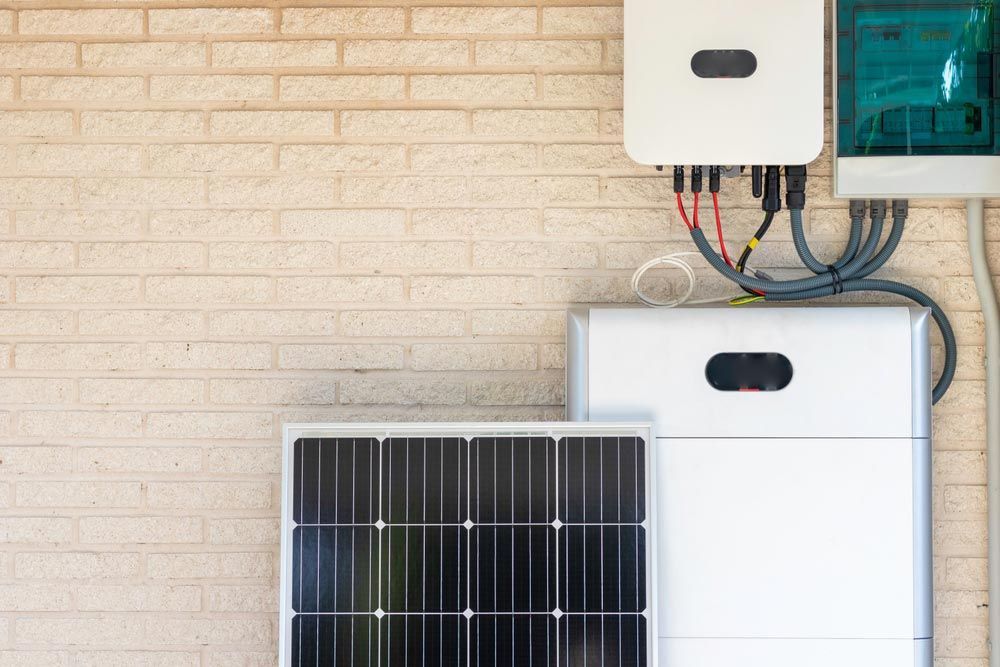
- Battery readiness, including inverter compatibility & switchboard allowances
- EV charging capacity, especially if you may charge during daylight hours
- Load shifting options, like timers for hot water or appliance scheduling
- Future roof space, if you may expand panel capacity later
If you want flexibility, it is worth discussing it before installation, while the design is still being finalised.
Get in Touch
If you are weighing up solar and want clear, plain-language guidance, we at Virtue Electrical can talk through solar panel installation options, switchboard considerations and what documents you should expect as part of a compliant install. You can also view our service page to learn more about solar panel installation in Canberra or get in touch to discuss factors that can affect households locally, like rebate settings, approval steps and seasonal production swings.